

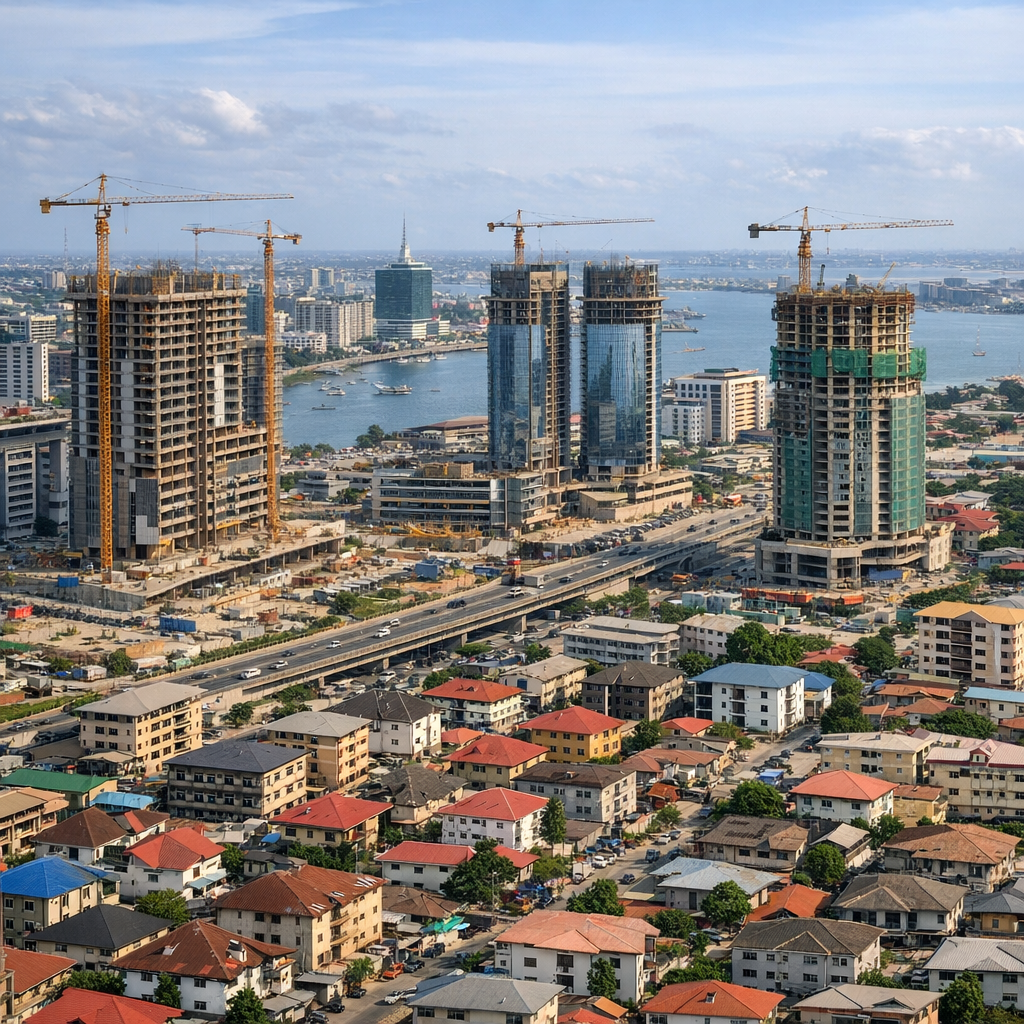
Lagos, Nigeria’s bustling commercial hub, continues to grapple with a substantial housing deficit. Despite ongoing developments, the city’s residential supply falls short of meeting the demands of its rapidly growing population.
Persistent Housing Shortage
Recent reports indicate that Lagos has an existing residential stock of approximately 1.8 million units. However, this is insufficient, with a deficit exceeding 2.7 million units. The shortage is most acute in the affordable and middle-income segments, where demand far outpaces supply.
Rising Rental Prices
The imbalance between supply and demand has led to a continuous increase in rental prices. Even as Nigeria’s headline inflation moderated in the latter half of 2025, residential rents in Lagos continued to rise. This trend underscores the resilient demand in a market characterized by limited housing availability.
Focus on Luxury Developments
In response to economic challenges, developers are increasingly prioritizing luxury and high-end residential projects. This strategy aims to protect profit margins amid rising construction costs and currency depreciation. However, it further exacerbates the scarcity of affordable housing options for the average Lagosian.
Infrastructure and Market Dynamics
Major infrastructure projects, such as the operationalization of the Lekki Deep Sea Port and progress on the Green Line rail project, are influencing the real estate landscape. These developments are shifting focus toward coastal corridors, potentially impacting property values and rental dynamics in those areas.
Looking Ahead
Addressing Lagos’ housing challenges requires a multifaceted approach. Increased investment in affordable housing, supportive government policies, and strategic urban planning are essential to bridge the housing gap and ensure that all residents have access to suitable accommodation.
As the city continues to evolve, stakeholders must collaborate to create a more inclusive and sustainable housing market that caters to the diverse needs of Lagos’ population.