

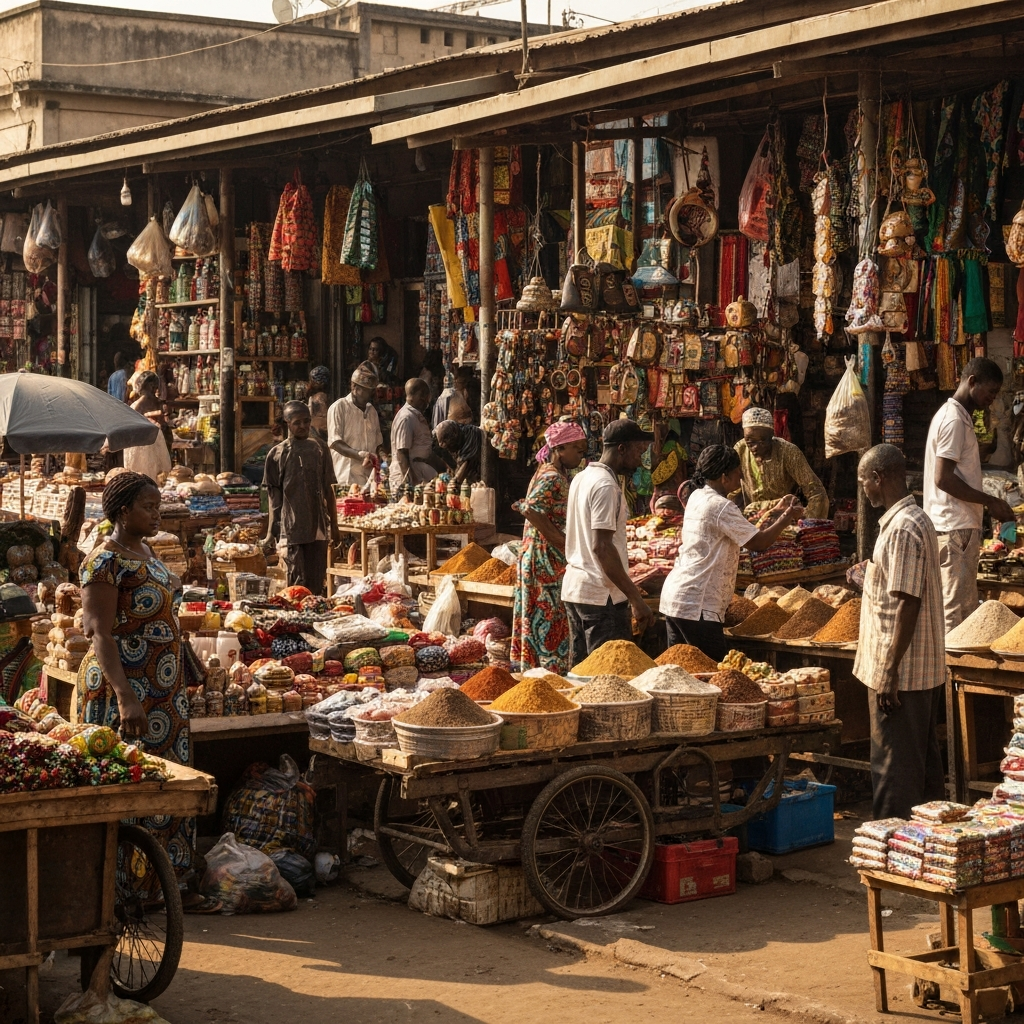
Small and Medium Enterprises (SMEs) are the heartbeat of Lagos, powering its vibrant economy. From street vendors in Ikeja to tech startups in Lekki, these businesses form the foundation of Nigeria’s economic capital. They drive innovation, create jobs, and sustain the city’s fast-growing population. According to the National Bureau of Statistics (NBS), SMEs contribute over 50% of Nigeria’s GDP and employ more than 80% of the nation’s workforce. With Lagos hosting the largest concentration of these enterprises, the city exemplifies how small businesses can drive national development.
The Role of SMEs in Lagos’ Economic Ecosystem
Job Creation and Youth Empowerment
SMEs are Lagos’ largest employers, providing millions of jobs across diverse sectors from fashion and food processing to transportation, tech, and hospitality. In a city where thousands of graduates enter the job market annually, small businesses bridge the employment gap by creating opportunities for both skilled and unskilled workers.
Encouraging Local Production and Reducing Imports
Many Lagos-based SMEs are leading the shift from import dependence to local production. Businesses in food manufacturing, furniture, clothing, and cosmetics are embracing “Made in Nigeria” initiatives that promote economic self-reliance and export growth.
Innovation and Adaptability
Lagos SMEs are known for their creativity and resilience. Whether adapting to inflation, fuel price changes, or digital disruption, they continuously innovate to survive and thrive. From digital payment adoption to e-commerce delivery models, Lagos entrepreneurs are masters of adaptation.
Sectors Where Lagos SMEs Thrive
Technology and Digital Services
Tech-driven SMEs are revolutionizing how Lagosians work and live. Freelancers, app developers, and digital agencies are helping businesses go online, manage payments, and connect with customers. Platforms like Paystack, Flutterwave, and Kuda began as SMEs before scaling globally—proof that even small ideas can have a big impact.
Fashion and Beauty
Lagos is Africa’s fashion capital, and SMEs in tailoring, design, and cosmetics play a vital role. Local designers not only cater to domestic consumers but also export to African and global markets. Brands like Zashadu, Tiffany Amber, and numerous local tailors in Surulere and Yaba show how creativity drives economic inclusion.
Food and Hospitality
From fast-rising food vendors to catering services, the food industry represents a major SME growth area. Lagos’ cosmopolitan nature makes it a melting pot of cuisines, and businesses in this sector cater to a diverse audience—from local delicacies to international dining.
Logistics and Transportation
As e-commerce expands, logistics SMEs are thriving. Delivery services like GIG Logistics, Kwik Delivery, and countless local bike operators help sustain online trade across the city.
Creative and Entertainment Industry
Music, film, and digital content creation have opened new SME opportunities in Lagos’ creative space. Small studios, video editors, and music producers contribute significantly to the city’s entertainment exports.
Government Support for SMEs in Lagos
Recognizing their importance, the Lagos State Government has launched several initiatives to support small businesses:
Lagos State Employment Trust Fund (LSETF)
LSETF provides low-interest loans, training, and mentorship to help entrepreneurs start and scale their businesses. Thousands of Lagos-based SMEs have benefited from the fund since its establishment in 2016.
Ease of Doing Business Reforms
Lagos has simplified company registration, land documentation, and taxation for small enterprises. The government’s business-friendly environment encourages entrepreneurship and investment.
Market Infrastructure Development
From modernizing local markets like Tejuosho and Balogun to building new trade hubs, Lagos is improving spaces where SMEs operate.
Women and Youth in the SME Ecosystem
Women and youth represent the largest demographic of Lagos entrepreneurs. Young people are using innovation and technology to create businesses that reflect the needs of a digital generation. Meanwhile, women dominate markets, fashion, and retail industries, balancing entrepreneurship with family responsibilities. Organizations like WIMBIZ and SheVentures have played vital roles in helping women gain access to capital and mentorship.
Challenges Facing Lagos SMEs
Despite progress, SMEs face persistent hurdles:
- Access to Finance: Many entrepreneurs still lack collateral or credit history to secure loans.
- Infrastructure Gaps: Power supply, high rent, and traffic congestion increase operational costs.
- Regulatory Barriers: Multiple levies and unclear taxation policies can stifle business growth.
- Market Competition: The influx of imported goods and global brands challenges local producers.
However, Lagos entrepreneurs remain resilient, finding creative ways to overcome these obstacles through partnerships, cooperatives, and digital innovation.
The future of business in Lagos lies in the strength of its SMEs. As the government expands initiatives like the Lagos Digital Economy Policy, more entrepreneurs will have access to training and technology. Emerging sectors such as renewable energy, waste recycling, and agritech offer new opportunities for SMEs to contribute to sustainable development. If properly supported through improved infrastructure, favorable policies, and digital inclusion, Lagos SMEs could position Nigeria among the top business hubs in Africa. The story of Lagos’ economic success is incomplete without acknowledging its small business owners—the tailors, coders, caterers, artisans, and innovators who keep the city moving. Their determination, creativity, and adaptability embody the true Lagos spirit: bold, hardworking, and unstoppable. SMEs are not just sustaining the economy; they are shaping its future, one business at a time. With the right environment and continued support, the small businesses of today will become the global corporations of tomorrow, and Lagos will remain the vibrant heart of African enterprise.