

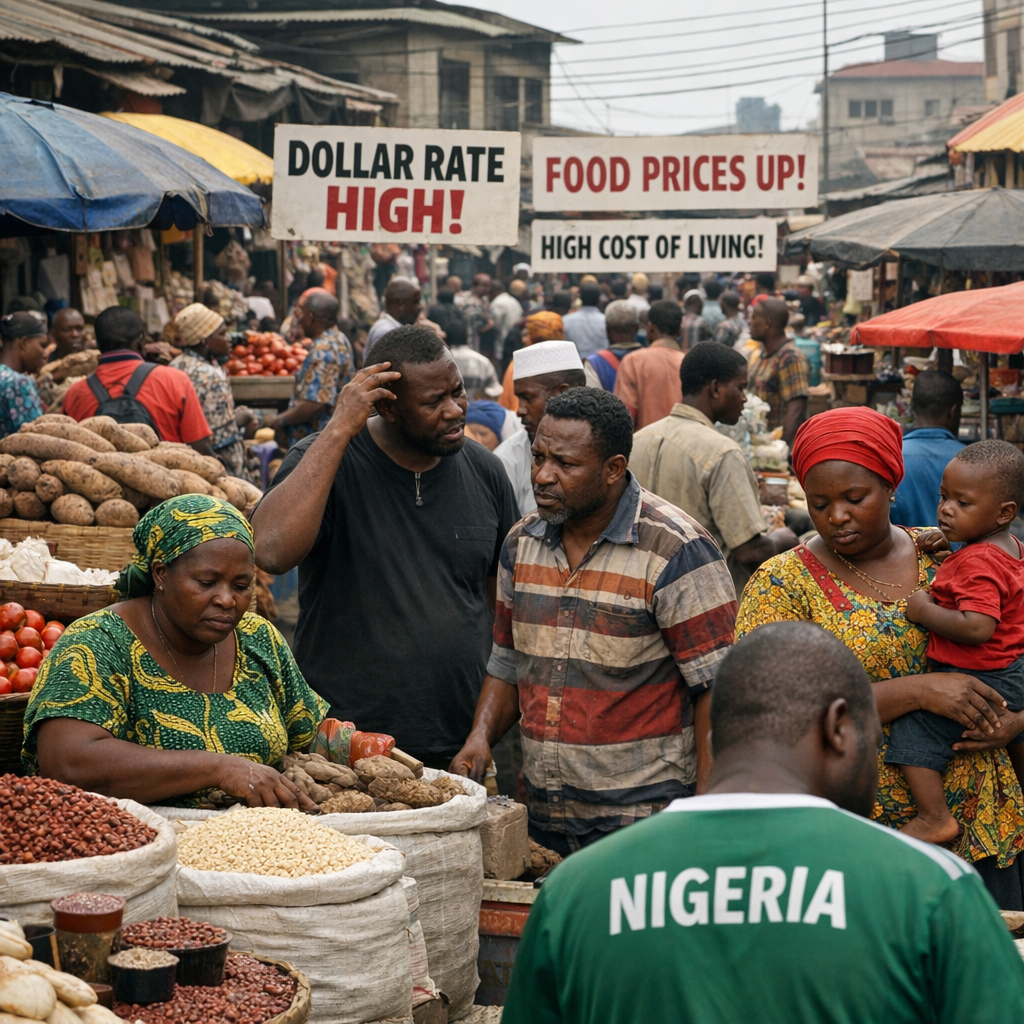
As Nigeria continues to navigate its economic trajectory, understanding the influence of global economic trends is crucial. The interconnectedness of the global economy means that developments in other parts of the world can have significant implications for Nigeria’s economic performance.
Global Economic Growth and Trade Dynamics
According to PwC’s 2026 Nigeria Economic Outlook, global economic growth is projected to ease to about 3.1% in 2026, with global merchandise trade growth expected to slow sharply to around 0.5%. This slowdown in global trade could constrain Nigeria’s non-oil export expansion, reinforcing the country’s continued reliance on oil earnings and capital inflows as key drivers of growth.
Energy Market Fluctuations
The ongoing conflict between the US-Israel and Iran has introduced shocks to the global energy market, pushing oil prices to $102.83 per barrel as of March 17, 2026. While this presents the prospect of short-term excess revenue for Nigeria through higher oil receipts, it also leads to increased domestic fuel, logistics, and transport costs, potentially reigniting inflationary pressures.
Monetary Policy and Inflation
In response to moderating inflationary pressures, the Central Bank of Nigeria reduced the Monetary Policy Rate to 26.5%. However, the effectiveness of monetary policy remains essential amid external shocks and price risks. Strengthening monetary policy effectiveness is crucial to anchor inflation expectations and maintain economic stability.
Fiscal Sustainability and Reforms
Addressing fiscal sustainability and executing reforms are vital, especially with elevated debt obligations and the need for deeper revenue mobilization shaping policy choices. Implementing effective budgeting and scaling up cash transfer systems can support Nigeria’s progress towards economic stability.
Conclusion
Global economic trends, including slowing growth, energy market fluctuations, and trade dynamics, significantly influence Nigeria’s economic landscape. By understanding these global forces and implementing strategic domestic policies, Nigeria can navigate these challenges and work towards sustainable economic growth.