

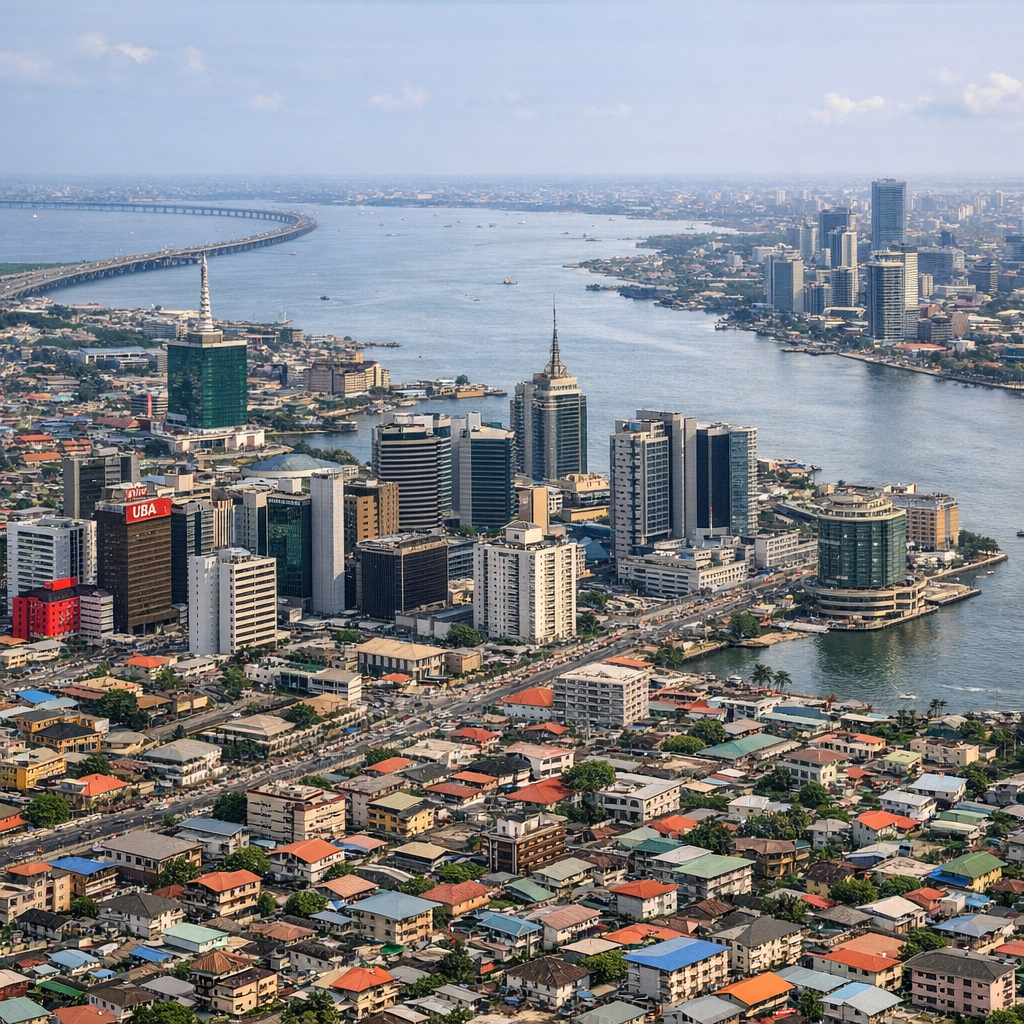
Lagos, Nigeria’s bustling commercial hub, continues to experience dynamic shifts in its real estate sector. Understanding these changes is crucial for prospective renters, homebuyers, and investors aiming to make informed decisions.
Rental Market Dynamics
The demand for rental properties in Lagos has consistently outpaced supply, leading to notable increases in rental prices. This trend is particularly evident in prime areas such as Ikoyi and Victoria Island, where limited land availability and high demand have sustained premium rents. For instance, three-bedroom apartments in Ikoyi command annual rents ranging from ₦14 million to ₦30 million, reflecting a 25% year-on-year increase. Similarly, Victoria Island has seen rental prices for flats and apartments rise by approximately 65.3% over the past year, with rents spanning from ₦5 million to ₦950 million annually. This surge underscores the city’s housing deficit, which is estimated to exceed 2.7 million units, particularly affecting the affordable and middle-income segments.
Home Buying Trends
For those considering homeownership, Lagos presents a complex landscape. The average sale price for properties has risen by 8.5% from the previous quarter, reaching approximately ₦13.7 million. Notably, areas like Ibeju-Lekki have experienced significant appreciation, with property values increasing by 28.5%, making it a hotspot for investors seeking high returns. However, the focus on luxury developments has left a gap in affordable housing options, posing challenges for middle-income earners aspiring to own homes.
Local Development and Infrastructure
Infrastructure development plays a pivotal role in shaping Lagos’ real estate market. The expansion of road networks and the introduction of new transportation systems have enhanced accessibility to previously underserved areas, spurring real estate growth. For example, the development of the Lekki-Epe Expressway has made regions like Ajah and Sangotedo more attractive to homebuyers and investors, leading to increased property values and demand.
Conclusion
As Lagos’ real estate market continues to evolve, staying informed about rental trends, property prices, and infrastructural developments is essential. Prospective renters and buyers should conduct thorough research and consider engaging with reputable real estate professionals to navigate this dynamic landscape effectively.