

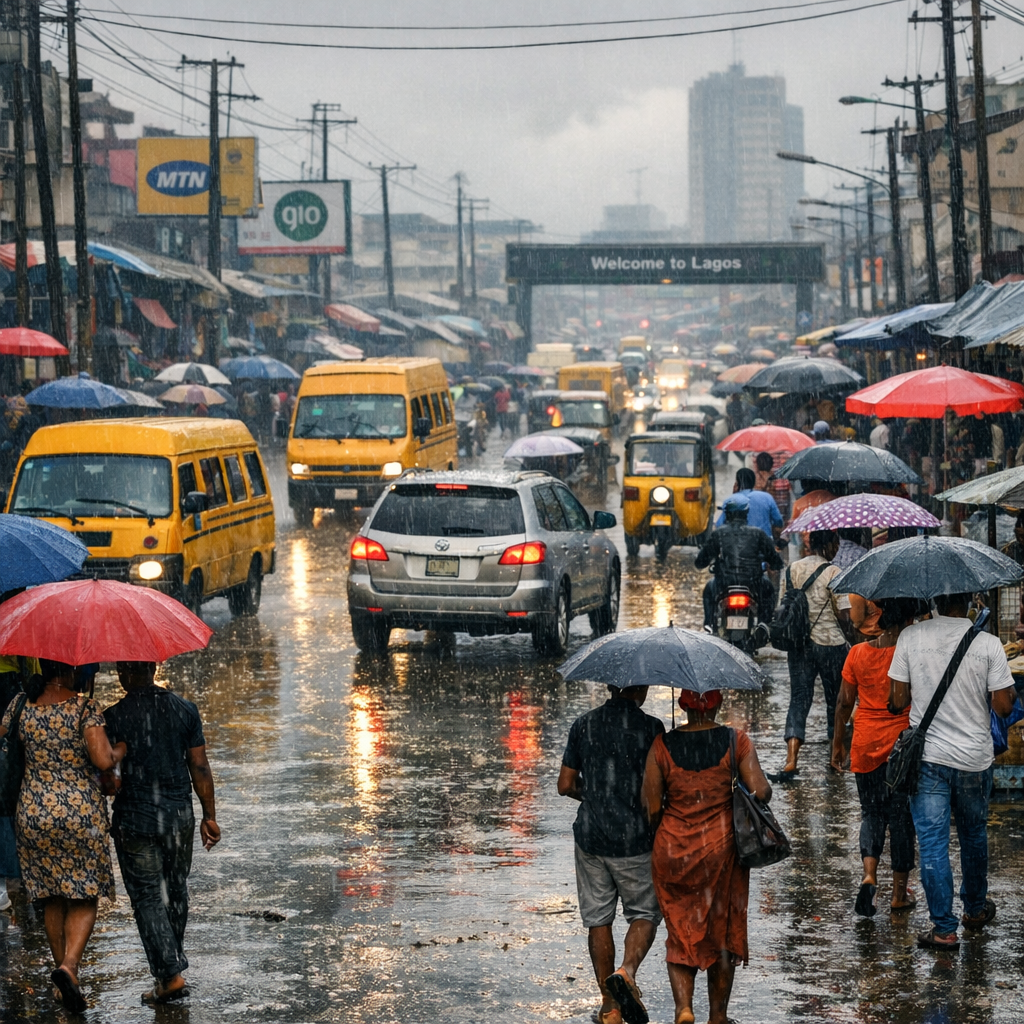
Lagos, Nigeria’s bustling megacity, experiences a tropical climate characterized by distinct wet and dry seasons. Understanding these patterns is essential for residents and visitors alike.
Seasonal Weather Patterns
The city enjoys warm temperatures year-round, with average highs ranging from 84°F (29°C) to 91°F (33°C). The wet season spans from April to October, bringing substantial rainfall, especially between May and July. Conversely, the dry season occurs from November to March, marked by less precipitation and higher temperatures.
Environmental Challenges
Lagos faces several environmental issues, including air pollution and plastic waste. Studies have identified vehicular emissions as a primary source of polycyclic aromatic hydrocarbons (PAHs) in the city’s air, with concentrations exceeding those in many developed countries. Additionally, despite a ban on single-use plastics implemented in July 2025, enforcement challenges persist, leading to continued plastic pollution in waterways.
Understanding Lagos’ climate and environmental challenges is crucial for developing effective strategies to enhance the city’s sustainability and residents’ well-being.