

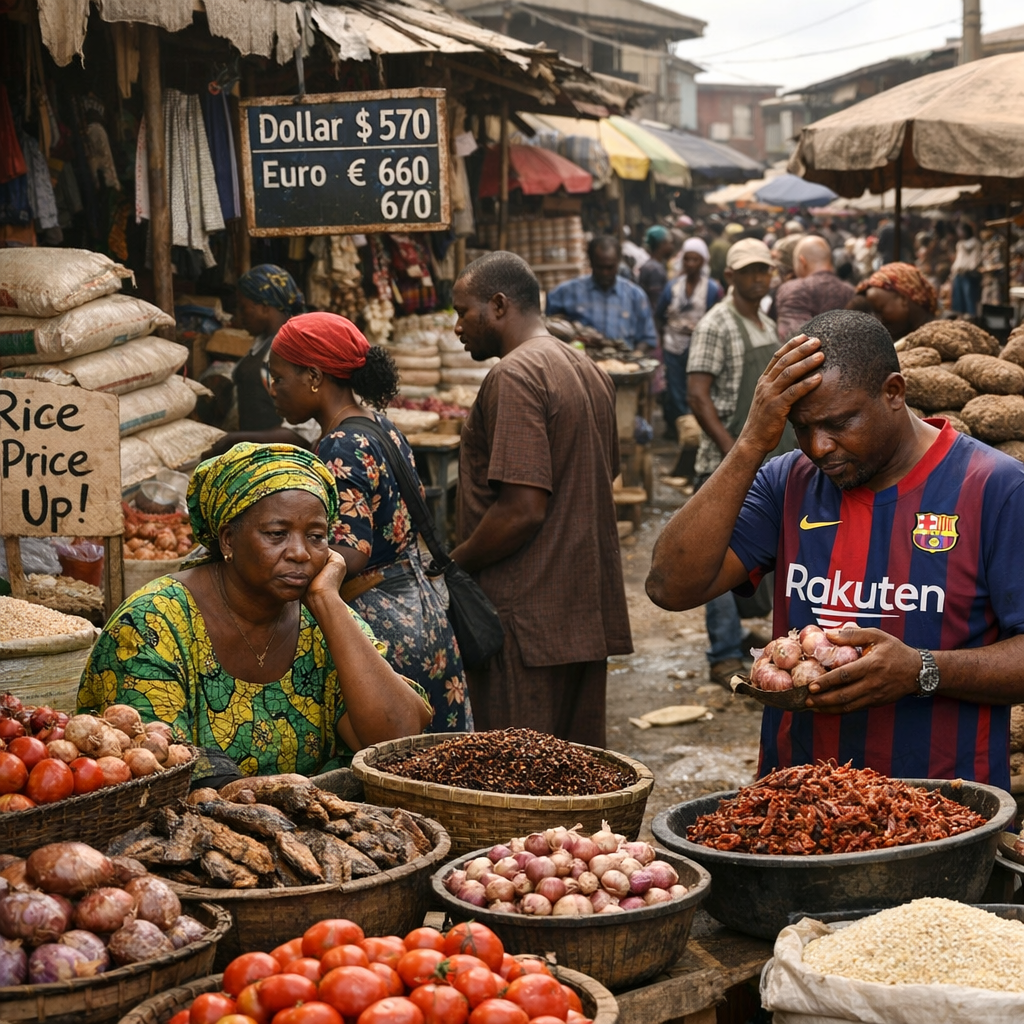
As Nigeria navigates the complexities of the global economy, understanding international trends is crucial for shaping domestic policies and business strategies. Several key global dynamics are poised to influence Nigeria’s economic landscape in the coming years.
Global Economic Growth and Trade Dynamics
Global economic growth is projected to ease to about 3.1% in 2026, with global merchandise trade growth expected to slow sharply to around 0.5%. This slowdown in global trade could constrain Nigeria’s non-oil export expansion, reinforcing the country’s continued reliance on oil earnings and capital inflows as key drivers of growth.
Geopolitical Tensions and Energy Markets
Recent geopolitical tensions, such as the conflict between the US-Israel and Iran, have introduced shocks to the global energy market, pushing oil prices to $102.83 per barrel as of March 17, 2026. For Nigeria, this surge presents an opportunity for short-term excess revenue above fiscal targets through higher oil receipts. However, the volatility also underscores the need for economic diversification to mitigate reliance on oil revenues.
Monetary Policy and Inflation
Strengthening monetary policy effectiveness remains essential amid external shocks and price risks. Nigeria has seen a steady decline in inflation to 16.05% in October 2025, from 33.8% a year earlier, largely driven by base effects, improved food supply, tight monetary policy, lower fuel prices, and a stable currency. Disinflation is expected to continue, with inflation projected to average 20.6% in 2025 and 12.7% in 2026.
Digital Economy and Artificial Intelligence
The emergence of the digital economy and artificial intelligence is gaining momentum globally. For Nigeria, this trend offers opportunities for economic diversification and growth. However, challenges such as regulatory clarity, adoption gaps, and infrastructure constraints need to be addressed to fully harness the potential of digital technologies.
In conclusion, while global economic trends present both opportunities and challenges, proactive policy measures and strategic planning can position Nigeria to navigate these dynamics effectively, fostering sustainable economic growth and development.