

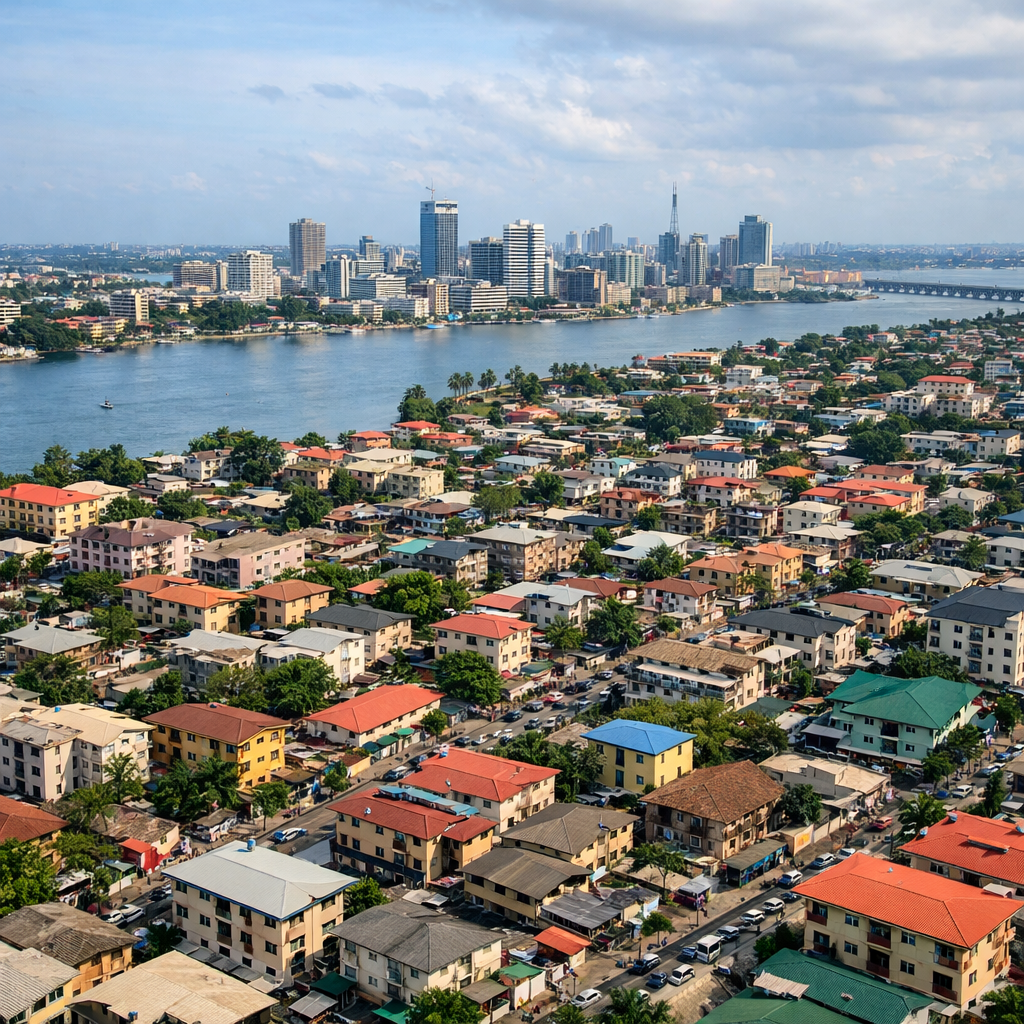
Lagos, Nigeria’s bustling commercial hub, continues to experience significant shifts in its real estate landscape. As the city grows, understanding the current housing market trends becomes essential for prospective renters and homebuyers.
Persistent Housing Deficit
Despite ongoing development efforts, Lagos faces a substantial housing shortfall. Recent reports indicate that the city has a housing deficit exceeding 2.7 million units, with the existing stock of approximately 1.8 million units falling short of the burgeoning demand. This shortage is most acute in the affordable and middle-income segments, where the need for housing is most pressing.
Rising Rental Prices
The imbalance between supply and demand has led to a continuous rise in rental prices across Lagos. Even as national inflation rates have moderated, rental costs have escalated, reflecting the resilient demand in a market constrained by limited housing availability. This trend underscores the challenges many residents face in securing affordable accommodation within the city.
Focus on Luxury Developments
In response to economic pressures such as rising construction costs and currency depreciation, many developers are prioritizing luxury and high-end residential projects. This strategic shift aims to protect profit margins but further exacerbates the scarcity of affordable housing options for the average Lagosian.
Impact on Residents
The housing crisis has tangible effects on daily life. Many professionals are compelled to reside in distant suburbs, enduring lengthy commutes to work. For instance, some individuals face up to four-hour daily commutes due to the unavailability of affordable housing near their workplaces. This situation not only affects quality of life but also has broader implications for productivity and well-being.
Looking Ahead
Addressing Lagos’ housing challenges requires a multifaceted approach. Increased investment in affordable housing, supportive government policies, and innovative financing solutions are crucial to bridging the gap between supply and demand. As the city continues to expand, collaborative efforts between the public and private sectors will be essential in creating a more inclusive and sustainable housing market.