

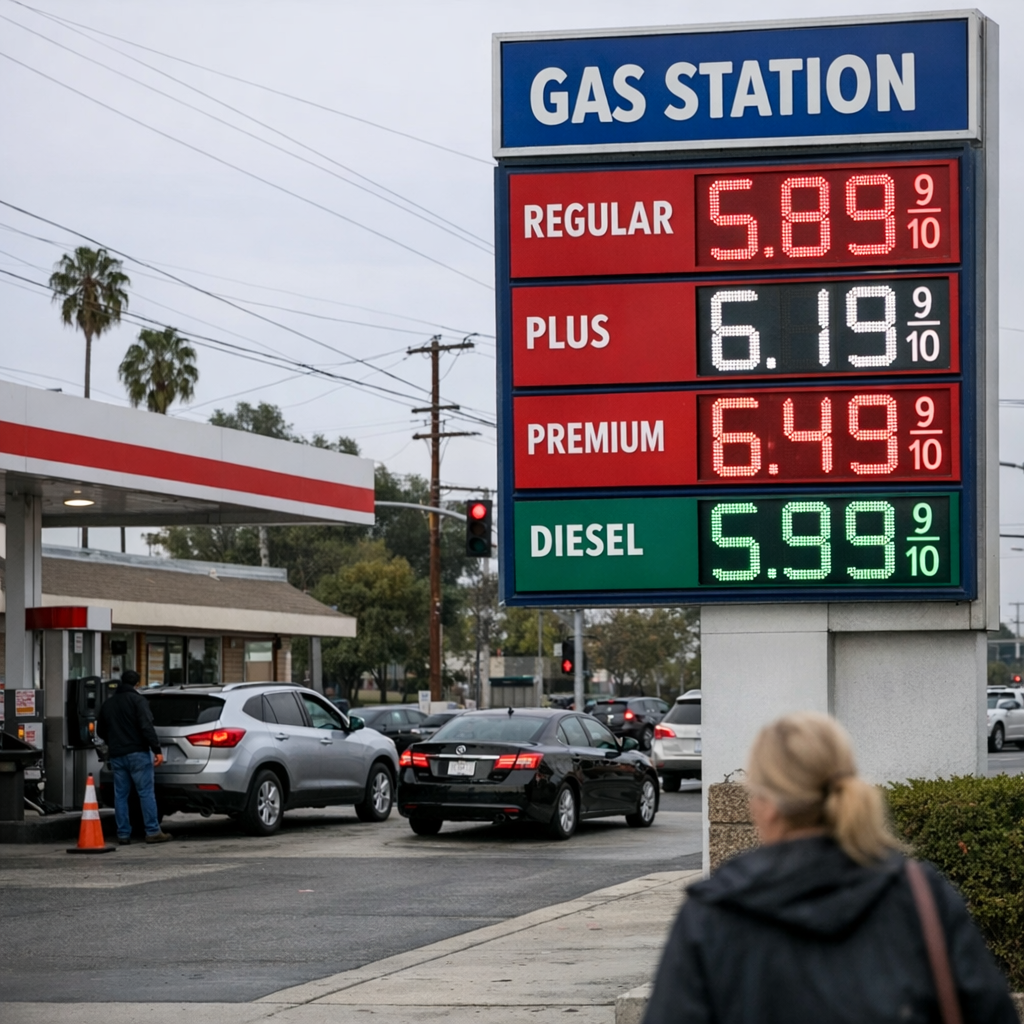
The United States is currently grappling with significant economic challenges that have far-reaching implications both domestically and internationally. Recent data indicates a surge in inflation, escalating gas prices, and a notable decline in consumer confidence.
Inflation and Consumer Sentiment
In April, inflation spiked to 3.8%, driven in part by the ongoing conflict in Iran, which has pushed the national average price of gasoline above $4.50 per gallon. This surge has led to a decrease in real purchasing power, as wage growth has not kept pace with rising prices. Consequently, consumer sentiment has plummeted to record lows, reflecting widespread concern about the economy’s direction.
Political Implications
These economic challenges have also influenced the political landscape. A recent CNN poll revealed that 70% of Americans disapprove of President Trump’s handling of the economy. This dissatisfaction is mirrored in the political arena, where Democrats are currently leading the generic House ballot by a significant margin.
Global Impact
The economic situation in the U.S. has global ramifications. For countries like Nigeria, which have strong economic ties with the U.S., fluctuations in the American economy can affect trade balances, investment flows, and remittance patterns. It’s crucial for policymakers and businesses in Nigeria to monitor these developments closely to mitigate potential adverse effects.
Conclusion
As the United States navigates these economic challenges, the ripple effects will be felt worldwide. Staying informed and adaptable will be key for nations interconnected with the U.S. economy.