

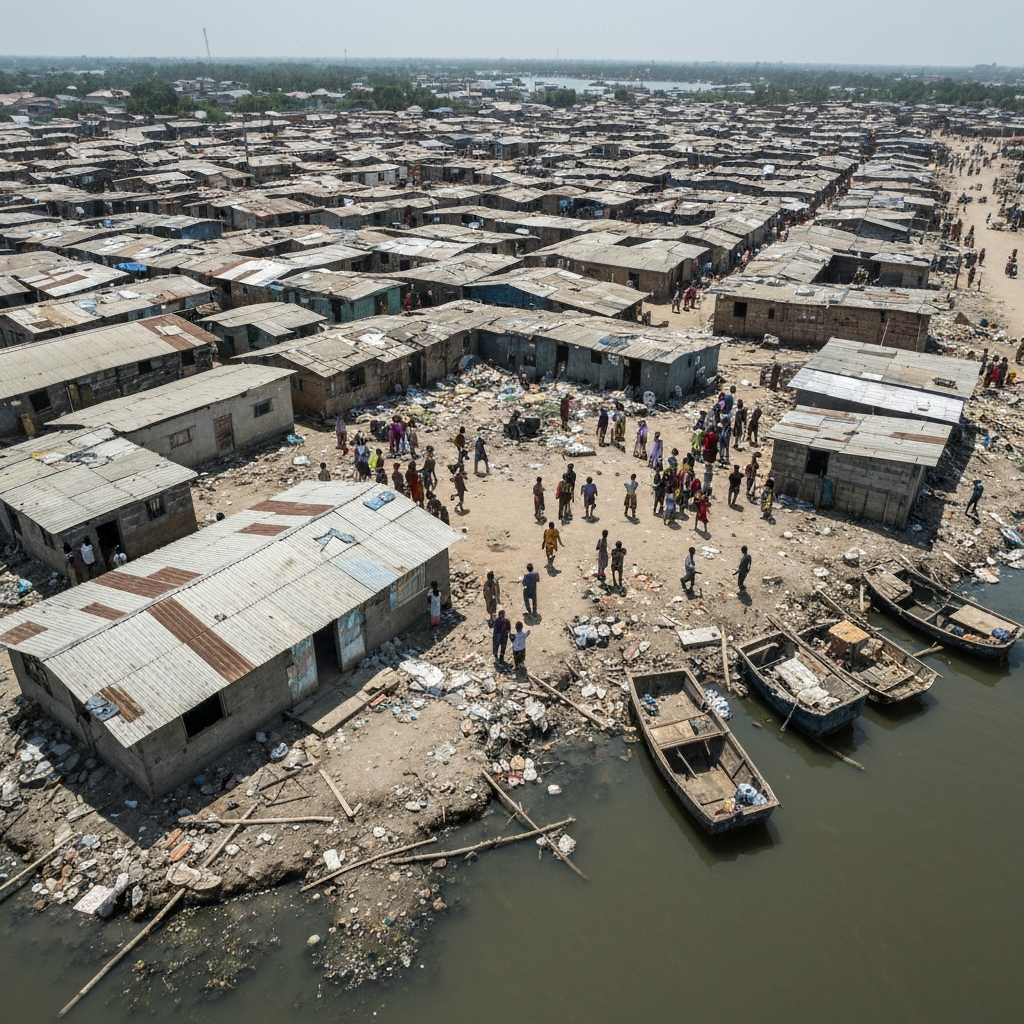
Makoko, a historic waterfront community in Lagos, has recently faced significant demolitions, leading to the displacement of thousands of residents. The Lagos State Government cites safety and sanitation concerns as the primary reasons for these actions. However, the abrupt nature of the demolitions, often carried out without adequate notice or resettlement plans, has sparked widespread criticism from human rights organizations and affected residents.
Established over a century ago, Makoko is home to a vibrant fishing community. The recent demolitions have not only destroyed homes but also disrupted livelihoods, with reports indicating that over 3,000 structures have been razed, affecting more than 10,000 individuals. Advocacy groups have highlighted the lack of consultation and the absence of alternative housing provisions, emphasizing the need for a more inclusive approach to urban development.
While urban renewal is essential for the growth of Lagos, it is crucial to balance development initiatives with the rights and well-being of existing communities. Ensuring transparent processes, providing adequate notice, and offering resettlement options can help mitigate the adverse impacts of such projects. As Lagos continues to evolve, fostering dialogue between the government and local communities will be key to achieving sustainable and equitable urban development.