

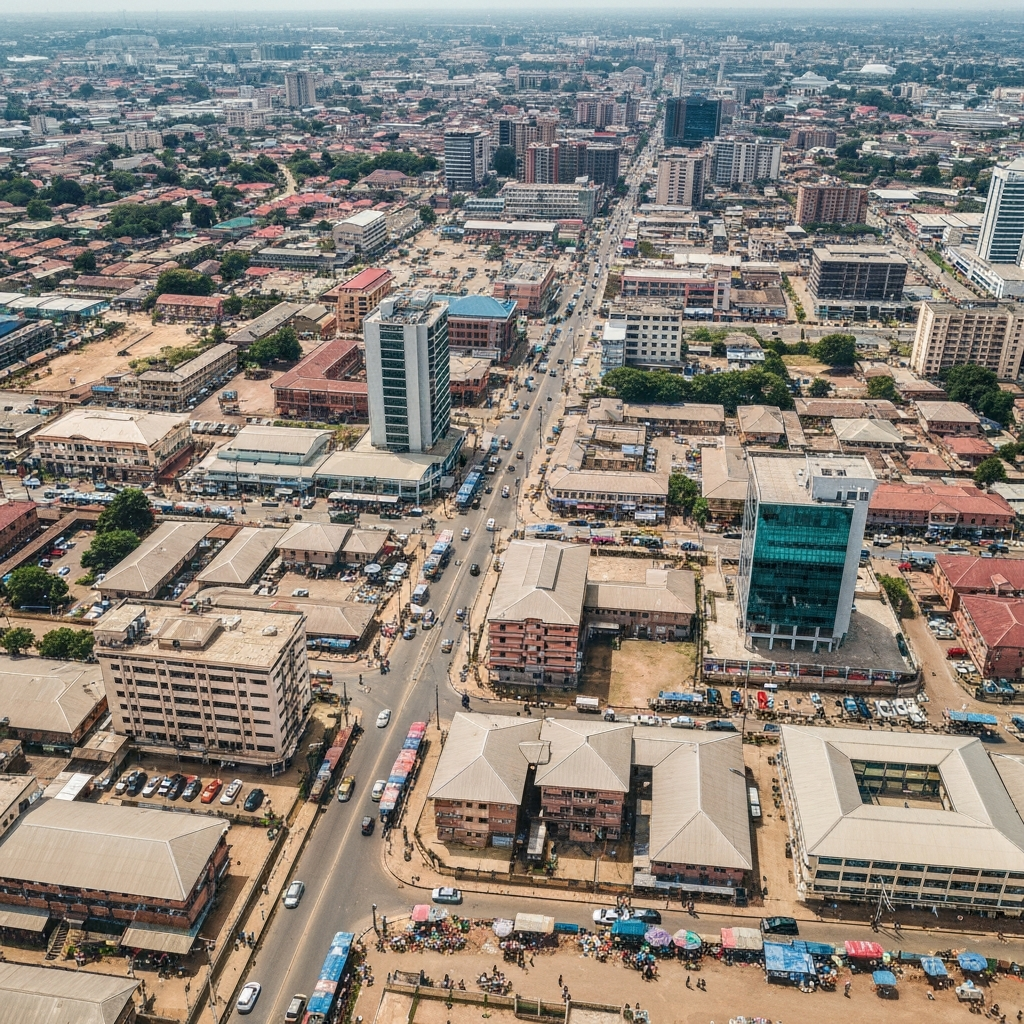
Lagos, Nigeria’s bustling commercial hub, continues to experience dynamic shifts in its real estate sector. Understanding these trends is crucial for prospective homeowners, renters, and investors.
Persistent Housing Deficit
Despite ongoing developments, Lagos faces a significant housing shortfall. The city has an estimated 1.8 million housing units, yet the demand exceeds this supply by over 2.7 million units. This gap is most pronounced in the affordable and middle-income segments, as developers often focus on luxury projects to safeguard profit margins amid economic challenges.
Rising Rental Prices
The imbalance between supply and demand has led to escalating rental costs. Reports indicate that residential rents in Lagos have continued to rise, even as inflation rates have moderated. This trend underscores the resilient demand in a market constrained by limited housing availability.
Emerging Investment Hotspots
Amid these challenges, certain areas in Lagos present promising opportunities for investors. The Lekki to Epe corridor, for instance, is gaining attention due to ongoing infrastructure projects and industrial developments. Additionally, mainland regions benefiting from improved transportation networks are attracting renewed interest.
Short-Term Rental Market Growth
The short-term rental sector is also witnessing significant growth. In 2025, Lekki Phase I generated approximately N93.78 billion in revenue from short-let accommodations, highlighting the area’s appeal to young professionals and entrepreneurs seeking proximity to business and leisure hubs.
In conclusion, while Lagos’ real estate market presents challenges, particularly in housing supply and affordability, it also offers opportunities for strategic investments. Staying informed about these trends is essential for making well-informed decisions in this dynamic environment.