

As Nigeria continues to navigate its economic landscape, understanding global economic trends is crucial for anticipating their potential impacts on the nation’s growth and stability.
Global Economic Growth and Trade Dynamics
Global economic growth is projected to ease to about 3.1% in 2026, with global merchandise trade growth expected to slow sharply to around 0.5%. This slowdown reflects weaker demand and subdued consumption across major economies, which could constrain Nigeria’s non-oil export expansion and reinforce the country’s reliance on oil earnings and capital inflows as key drivers of growth.
Energy Market Volatility
Recent geopolitical tensions, such as the conflict between the US-Israel and Iran, have introduced shocks to the global energy market, pushing oil prices above $100 per barrel. For Nigeria, this presents both opportunities and challenges. While higher oil prices could lead to short-term excess revenue, they also have the potential to reignite inflationary pressures through increased fuel, logistics, and transport costs.
Monetary Policies in Advanced Economies
Monetary policy decisions in advanced economies, particularly the United States, can influence capital flows and exchange rates in emerging markets like Nigeria. For instance, a pivot towards monetary easing in the West could encourage foreign portfolio investment into Nigerian assets. Conversely, prolonged high interest rates abroad may keep the cost of external debt servicing high, placing additional pressure on Nigeria’s fiscal position.
Geopolitical Tensions and Supply Chain Integrity
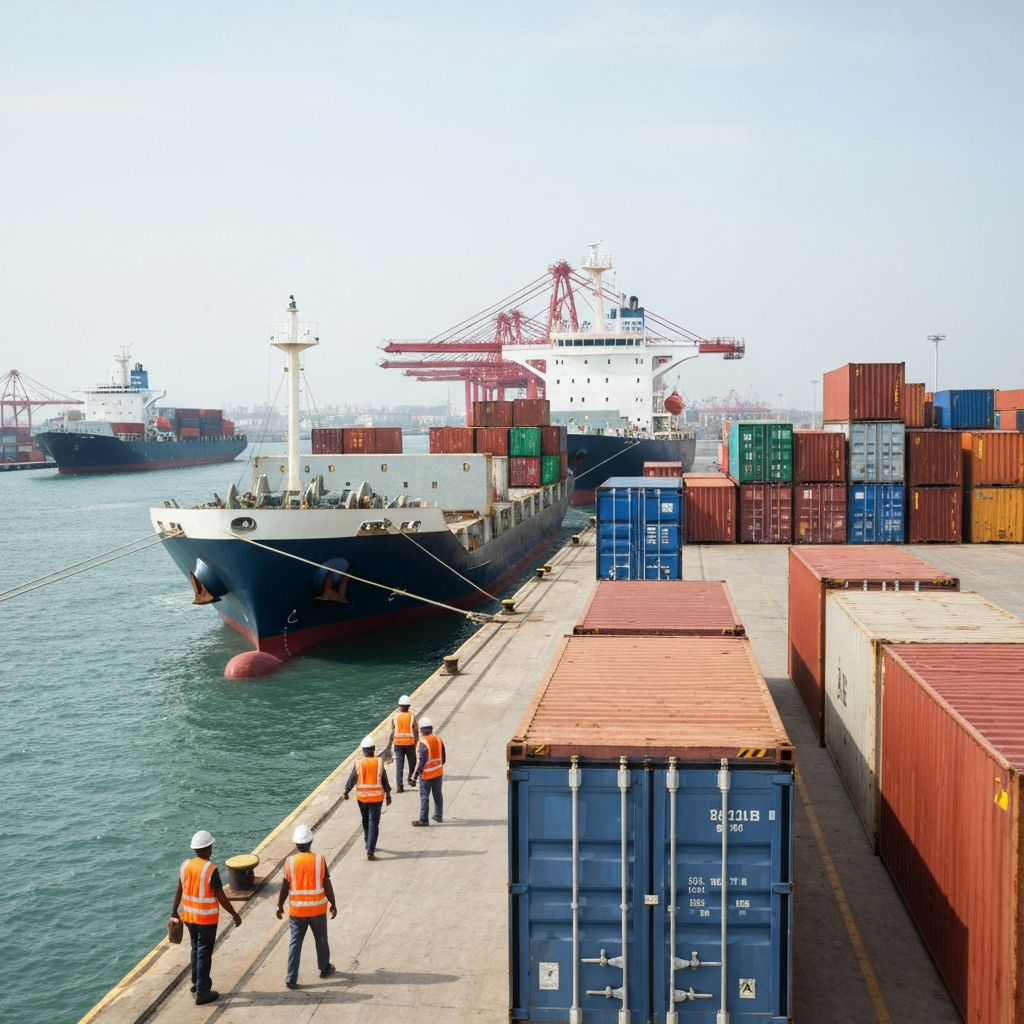
Ongoing conflicts in key shipping corridors, such as the Red Sea, have historically increased freight costs and delayed the delivery of essential imports. Such disruptions contribute significantly to “imported inflation” in sub-Saharan Africa, including Nigeria, complicating efforts to manage domestic price levels.
Strategic Imperatives for Nigeria
In light of these global dynamics, Nigeria must focus on strengthening monetary policy effectiveness, addressing fiscal sustainability, and executing reforms. Additionally, enhancing domestic security, promoting sectoral growth, and accelerating digital transformation are essential to build resilience against external shocks and foster sustainable economic growth.
By closely monitoring these global trends and implementing strategic policy measures, Nigeria can better navigate the complexities of the international economic environment and position itself for long-term prosperity.